Area Rugs vs Runner Rugs: Which One Do You Need?
You walk into a room and something feels off. The furniture looks fine, the walls are done right but the space still feels incomplete. Most of the time, the missing piece is under your feet.
Choosing between area rugs and runner rugs can be surprisingly confusing. Both add warmth, style, and comfort, but they serve very different purposes. And if you pick the wrong one, the whole room can feel awkward instead of polished.
In this guide, we’ll break it down in a simple, practical way. Whether you’re browsing local area rug stores or just planning your space, you’ll know exactly which option fits your home and why.
When Your Space Feels “Off” Here’s What You’re Missing
Sometimes the issue isn’t your furniture or decor, it’s how everything connects.
A large living room without a rug can feel empty and disconnected. On the other hand, a long hallway without a runner often feels cold and unfinished. Rugs aren’t just decorative; they define how a space works.
Area rugs usually anchor a room. They bring furniture together and create a focal point. Runner rugs, however, guide movement. They lead the eye and soften narrow spaces.
If your room feels incomplete, the problem might not be what you added but what you skipped.
Area Rugs: The Foundation of a Room
Area rugs are the go-to choice for most living spaces and for good reason.
Why area rugs work so well
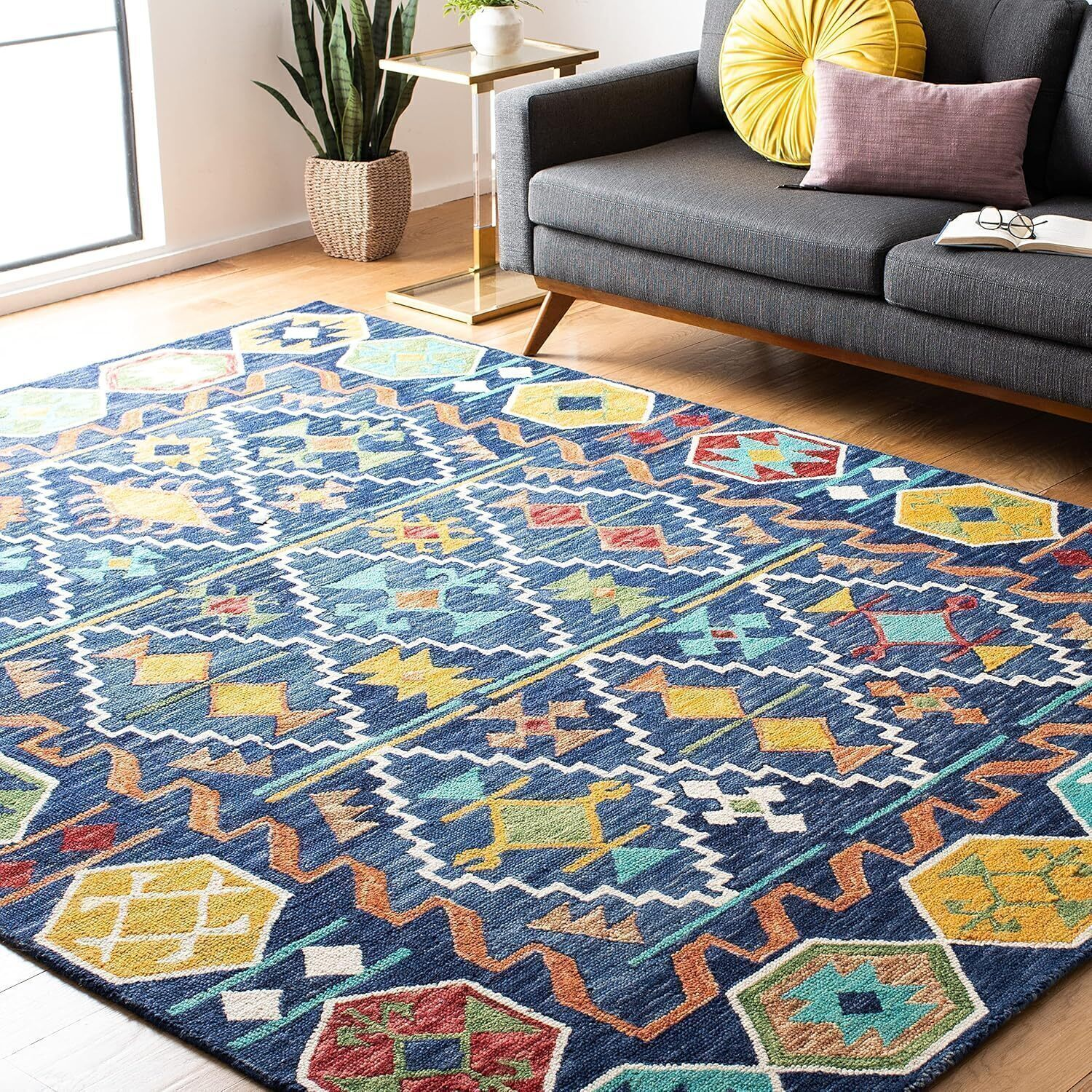
They cover a larger surface and help define a specific zone. In a living room, they tie the sofa, coffee table, and chairs into one cohesive layout. In a bedroom, they add warmth underfoot when you wake up.
These rugs also absorb sound, making large rooms feel quieter and more comfortable. That’s especially helpful in open floor plans where noise can bounce around.
Where area rugs shine
- Living rooms
- Bedrooms
- Dining areas
- Open-plan spaces
Area rugs create structure. Without them, furniture can look like it’s floating. With them, everything feels intentional.
Runner Rugs: Small Size, Big Impact
Runner rugs are long, narrow, and often overlooked but they solve very specific problems.
What makes runner rugs different
They’re designed for movement, not anchoring. You’ll usually see them in hallways, entryways, or along kitchen counters. They guide foot traffic while adding softness and style.
Because of their shape, runners don’t overwhelm a space. Instead, they enhance it without taking over.
Ideal places for runner rugs
- Hallways
- Entryways
- Kitchens
- Staircases
If you’ve ever walked through a long hallway that felt dull or echoey, a runner rug is exactly what fixes that.
See Also: Smart Flooring Choices for Style Comfort and Durability
How to Decide: Area Rug or Runner Rug?
This is where most people get stuck but the decision becomes simple when you think in terms of function.
Ask yourself these questions
1. What is the purpose of the space?
If you want to define a seating or living area, go with an area rug.
If you want to guide movement or protect a walkway, choose a runner.
2. What is the shape of the space?
Wide and open spaces call for area rugs.
Long and narrow spaces need runner rugs.
3. How much coverage do you need?
Area rugs cover more ground and create a visual base.
Runners provide targeted coverage without overwhelming the area.
Quick decision guide
- Living room feels empty → Area rug
- Hallway feels boring → Runner rug
- Bedroom needs warmth → Area rug
- Kitchen walkway feels hard → Runner rug
Once you match the rug to the purpose, the choice becomes obvious.
Common Mistakes That Ruin the Look
Even the right rug can look wrong if it’s used incorrectly.
Choosing the wrong size
A small area rug in a large room is one of the biggest mistakes. It makes everything look disconnected. Ideally, at least the front legs of your furniture should sit on the rug.
For runners, going too short can break the flow. It should cover most of the walkway, leaving equal space on both ends.
Ignoring placement
Area rugs should center the furniture. If they’re off-balance, the room feels awkward.
Runner rugs should align with the path of movement. Crooked placement instantly looks messy.
Overusing rugs
Not every space needs a rug. Adding too many can clutter the look. Focus on function, not just decoration.
Smart Tips Before You Visit Local Area Rug Stores
Walking into local area rug stores without a plan can be overwhelming. There are endless colors, patterns, and sizes.
Here’s how to shop smarter.
Measure your space first
Bring exact measurements. Guessing leads to poor choices. A rug that’s too big or too small will throw off the entire room.
Think about lifestyle
Do you have kids or pets? Go for durable, easy-to-clean materials. High-traffic areas need stronger fibers.
Don’t match everything perfectly
Your rug doesn’t need to match your furniture exactly. In fact, a bit of contrast adds character. Look for complementary tones instead.
Test before committing
If possible, visualize the rug in your space. Some stores even allow samples. Lighting and surroundings can change how a rug looks.
Real-Life Examples That Make It Clear
Sometimes it’s easier to understand with real scenarios.
Example 1: Living Room Upgrade
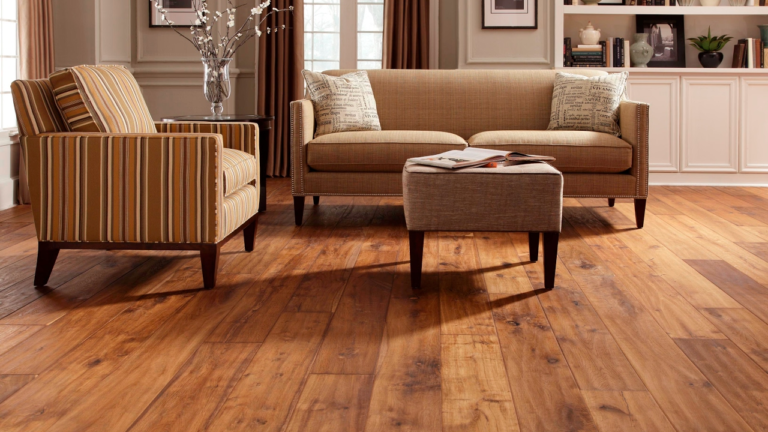
A homeowner had a beautiful sofa and coffee table, but the room felt scattered. Adding a large area rug instantly pulled everything together. The space felt warmer and more complete.
Example 2: Hallway Transformation
A long hallway felt empty and echoed with every step. A simple runner rug added texture, reduced noise, and made the space feel intentional.
Example 3: Kitchen Comfort
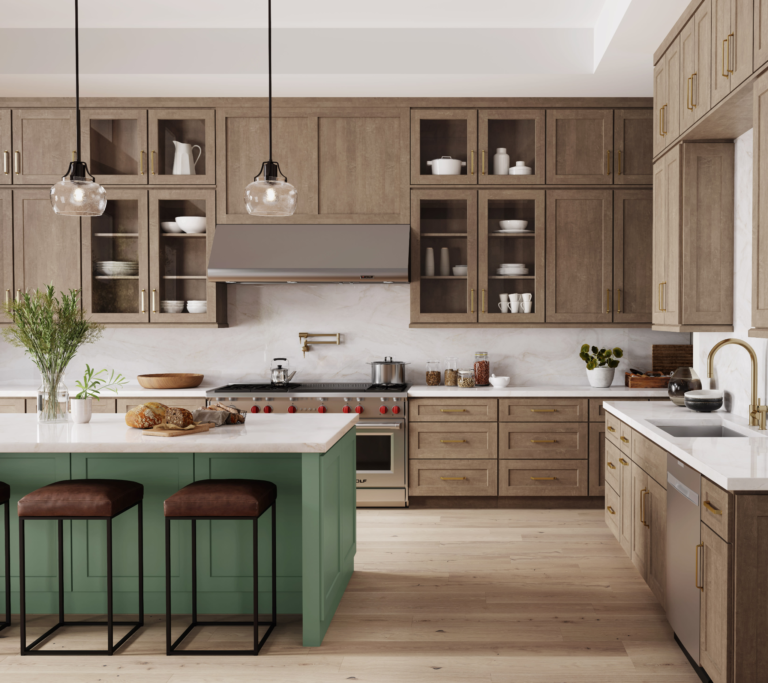
Standing on hard floors while cooking can be tiring. A runner rug along the counter added comfort without taking over the space.
These small changes made a big difference because the right rug was used in the right place.
See Also: The Role of Cabinets in Creating a Functional Kitchen Space
Area Rugs vs Runner Rugs: Side-by-Side Comparison
Here’s a quick way to see the difference:
Area Rugs
- Best for large spaces
- Defines furniture layout
- Creates a focal point
- Adds warmth and comfort
Runner Rugs
- Best for narrow spaces
- Guides movement
- Protects high-traffic areas
- Adds subtle style
Neither is better than the other it depends entirely on your space and needs.
Conclusion
It’s easy to get caught up in trends, colors, or patterns. But the real key is function.
Area rugs and runner rugs serve different purposes. One anchors your space. The other enhances movement. When you understand that, the decision becomes simple.
Next time you visit local area rug stores, you won’t feel lost. You’ll walk in knowing exactly what your space needs and why.
And that’s what makes a room feel complete.
FAQs
Can I use both area rugs and runner rugs in one home?
Yes, and it’s actually recommended. Use area rugs in main rooms and runner rugs in transitional spaces like hallways or kitchens.
How do I choose the right size for an area rug?
Measure your seating area first. A good rule is to have at least the front legs of furniture on the rug. Larger is usually better than smaller.
Are runner rugs only for hallways?
No. They work well in kitchens, entryways, and even alongside beds. Any narrow space can benefit from a runner.
What material is best for high-traffic areas?
Look for durable materials like wool or synthetic blends. These handle wear and tear better, especially in busy areas.
Do rugs really make a difference in a room?
Absolutely. The right rug can transform a space from empty to inviting. It ties everything together and adds comfort at the same time.