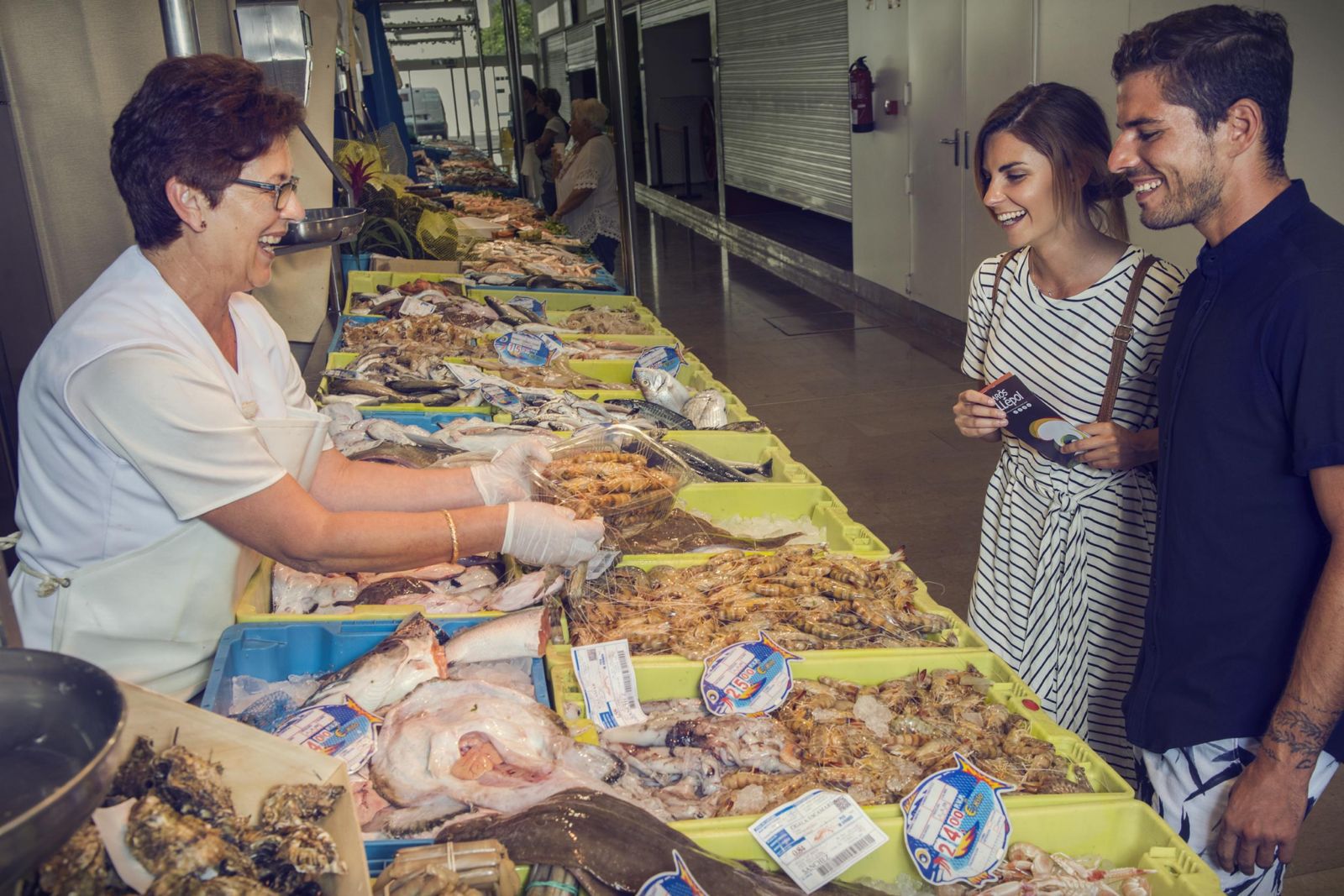
Coastal Food Traditions Worth Exploring on Your Next Journey
Travel offers countless opportunities to discover new cultures, landscapes, and traditions. Among the most memorable experiences are those connected to food. Regional dishes often tell stories about geography, history, and local communities, giving travelers a deeper understanding of the places they visit. Exploring culinary traditions can transform an ordinary trip into a meaningful learning experience that extends far beyond sightseeing.
Many destinations are known for ingredients that have become closely tied to their identity. Coastal regions, in particular, showcase unique food cultures shaped by generations of fishing, trade, and seasonal harvests. Travelers who take the time to learn about these traditions often gain valuable insight into how local communities interact with their environment and preserve culinary heritage.
One fascinating aspect of coastal travel involves learning where to buy lobster while exploring communities known for their maritime traditions. Markets, harbors, and family-owned seafood businesses frequently provide visitors with opportunities to observe local food systems firsthand. Understanding how regional specialties move from the water to the table can make a dining experience far more memorable and educational.
Food as a Window Into Local Culture
Every region has ingredients that reflect its environment and history. In coastal destinations, seafood often serves as a cornerstone of local cuisine. Recipes may differ dramatically from one area to another, yet they frequently share common themes of freshness, seasonality, and respect for traditional preparation methods.
Travelers who engage with local food culture often discover stories that cannot be found in guidebooks. Conversations with market vendors, restaurant owners, and fishermen provide perspectives that help explain how culinary traditions developed over time. These interactions create meaningful connections while supporting local businesses and communities.
Food-focused travel also encourages greater appreciation for regional diversity. Two neighboring coastal towns may prepare similar ingredients in entirely different ways, reflecting unique cultural influences and historical experiences. Such differences remind travelers that cuisine is deeply connected to place and identity.
See Also: Smart Flooring Choices for Style Comfort and Durability
Visiting Markets and Waterfront Districts
Local markets often represent some of the most authentic travel experiences available. They offer opportunities to observe daily life, sample regional specialties, and learn about seasonal ingredients. Walking through a busy waterfront market reveals how food serves as both an economic resource and a cultural expression.
Many travelers focus exclusively on restaurants, yet markets provide valuable educational experiences that restaurants alone cannot offer. Observing ingredient selection, handling practices, and product variety helps visitors develop a stronger understanding of regional food traditions. Even casual conversations can reveal surprising details about local customs and preferences.
Waterfront districts frequently combine culinary exploration with scenic beauty. Fishing boats, working harbors, and coastal landscapes create memorable settings that enhance the overall travel experience. These environments help visitors appreciate the relationship between natural resources and community livelihoods.
Learning Through Regional Specialties
One of the most rewarding aspects of travel is discovering foods that are difficult to find elsewhere. Regional specialties often highlight local ingredients and traditional preparation methods that have evolved over generations. Sampling these dishes provides insight into the values and priorities of the communities that created them.
Travelers interested in cooking can benefit significantly from studying regional ingredients. Understanding how local products are selected, prepared, and served can inspire new approaches in home kitchens. Many culinary traditions emphasize simplicity, allowing ingredient quality to remain the central focus of each dish.
Experiencing food in its place of origin also deepens appreciation for authenticity. Ingredients often taste different when enjoyed within the environment where they are produced. Factors such as freshness, climate, and cultural context contribute to a richer overall experience.
Building Meaningful Travel Memories
Some of the strongest travel memories are connected to meals shared with others. Food creates opportunities for conversation, connection, and cultural exchange. Whether dining in a small seaside restaurant or exploring a bustling market, culinary experiences often become highlights of a journey.
Travelers who approach food with curiosity tend to gain more from their adventures. Asking questions, observing local practices, and remaining open to unfamiliar flavors can lead to discoveries that enrich the entire trip.
Photographs and souvenirs may help preserve memories, but food experiences often leave lasting impressions because they engage multiple senses simultaneously. The aroma of a market, the sound of a working harbor, and the taste of a carefully prepared meal can remain vivid long after a trip has ended.
See Also: How Charter Bus Omaha Is the Perfect For Your Wedding Transportation
Responsible Culinary Tourism
As food tourism continues to grow, responsible travel practices become increasingly important. Supporting local businesses, respecting regional traditions, and making informed purchasing decisions contribute to healthier tourism ecosystems. Travelers play a meaningful role in preserving cultural and culinary heritage through their choices.
Responsible culinary tourism also involves learning about sourcing practices and environmental considerations. Understanding where food comes from helps visitors appreciate the effort required to bring quality ingredients to market. This awareness often encourages more thoughtful consumption both during travel and at home.
Bringing Travel Lessons Home
The educational value of food-focused travel does not end when a trip concludes. Experiences gained through market visits, cooking demonstrations, and local dining can influence everyday habits for years. Travelers frequently return home with new recipes, techniques, and perspectives that enrich their culinary routines.
Exploring coastal food traditions demonstrates how deeply cuisine is connected to culture, geography, and community. By approaching travel as an opportunity to learn through food, visitors gain a richer understanding of the places they explore. These experiences transform meals into lessons, destinations into classrooms, and journeys into lasting sources of inspiration and discovery for future adventures everywhere.